12 Jan
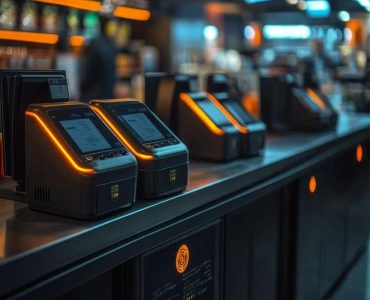
Choosing the Right POS Terminal for Your Business
Identifying Your Specific Business Requirements Before investing in hardware, you must evaluate the unique operational needs of your industry. A busy restaurant requires a system with table management features, whereas a retail boutique might prioritize inventory synchronization tools. By mapping out your daily workflows, you can determine whether you need a stationary countertop unit or...
12 Jan
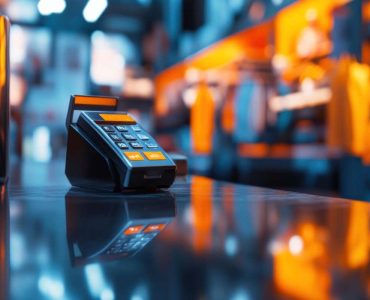
Next-Gen Android POS: The Future of Retail Payments
Embracing the Versatility of the Android Ecosystem The shift from proprietary, closed-source systems to the Android operating system has transformed the hardware landscape. Modern terminals now offer unmatched app flexibility, allowing merchants to run their entire business from a single device. By utilizing an open-source architecture, businesses can integrate custom loyalty apps, inventory trackers, and...
12 Jan

Ensuring Secure Transactions with Modern POS Tech
Implementing End-to-End Encryption for Data Protection In the digital age, the first line of defense against cyber threats is robust encryption. Modern POS terminals utilize end-to-end encryption (E2EE) to ensure that sensitive cardholder data is obscured from the moment of entry. This process converts credit card numbers into complex code during transmission, making it impossible...
12 Jan
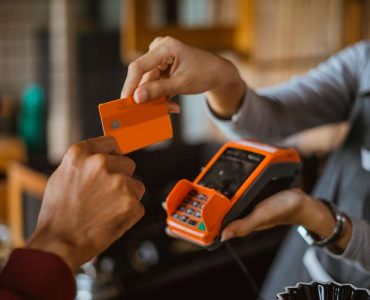
How Smart POS Systems Speed Up Business Growth
Streamlining Operations with Automated Workflows In the rapidly evolving landscape of modern commerce, the traditional cash register has become a relic of the past. Today, Smart POS systems are not just tools for processing transactions; they are the central nervous system of a successful business. By integrating hardware excellence with sophisticated software, these devices provide...