12 Jan
Embracing the Versatility of the Android Ecosystem
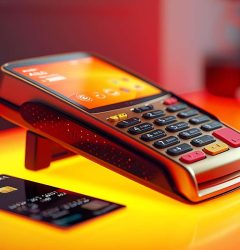
The shift from proprietary, closed-source systems to the Android operating system has transformed the hardware landscape. Modern terminals now offer unmatched app flexibility, allowing merchants to run their entire business from a single device. By utilizing an open-source architecture, businesses can integrate custom loyalty apps, inventory trackers, and communication tools directly onto their payment hardware, creating a truly all-in-one workstation for the retail floor.
Superior User Experience with Intuitive Interfaces
One of the primary drivers of the Android revolution in retail is the familiarity of the user interface. Because most staff members already use smartphones, the reduced training time associated with Android-based POS systems significantly lowers operational costs. These devices feature high-definition touchscreens that respond with the fluidity of a premium mobile device, ensuring that transactions are processed without the lag or complexity of older, legacy systems.
Seamless Integration with Cloud-Based Services
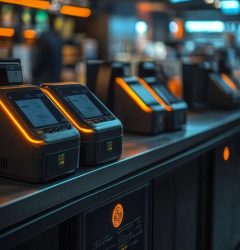
Next-gen Android terminals are designed with a mobile-first, cloud-first mentality. This allows for instant data synchronization across multiple store locations and online platforms. Whether a sale happens in-store or through a web portal, the centralized cloud database updates in real-time. This connectivity ensures that inventory counts are always accurate and that management can monitor performance through remote dashboards from anywhere in the world.
Advanced Mobility and Line-Busting Capabilities
The compact and wireless nature of Android POS hardware allows retailers to take the checkout to the customer. By implementing mobile payment solutions, staff can process transactions anywhere on the sales floor, effectively eliminating long queues. This “line-busting” strategy enhances the customer journey flow, providing a high-tech shopping experience that mirrors the convenience of online shopping within a physical retail environment.
Enhanced Security and Remote Management
Android-based systems provide robust security features that are managed through centralized platforms. IT administrators can utilize Mobile Device Management (MDM) tools to push updates, lock devices, or troubleshoot issues remotely. This ensures that every terminal in the fleet is running the latest security patch versions, protecting the business from vulnerabilities without requiring a technician to visit each physical site.
Supporting Diverse Modern Payment Methods
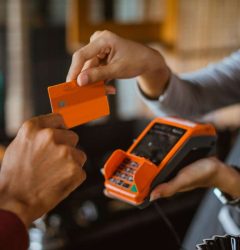
The future of retail is fragmented across various digital payment styles, and Android POS hardware is built to handle them all. From traditional chip cards to biometric payment authentication and cryptocurrency wallets, these devices are future-proof. With integrated NFC modules and high-quality cameras for QR code scanning, your business will never have to turn away a customer because their preferred payment method isn’t supported.
Conclusion
Next-gen Android POS terminals are far more than just payment devices; they are the engines of modern retail transformation. By combining the ease of use of a smartphone with the power of enterprise-grade software, these systems enable merchants to be more agile, data-driven, and customer-centric. As retail continues to evolve into a more digital and mobile experience, adopting an Android-based infrastructure is the most effective way to ensure your business remains relevant and ready for the future of global commerce.
Frequently Asked Questions
Why is Android better than traditional POS software?
Android offers more flexibility, a larger library of business apps, and a much more intuitive interface for employees.
Can I install my own apps on an Android POS?
Yes, most Android terminals allow you to install third-party or custom-developed business applications through an app store or MDM.
Are Android POS systems as secure as old ones?
Yes, they are highly secure and feature modern encryption, plus they receive security updates much faster than legacy systems.
Do these devices support 4G and 5G?
Most next-gen Android POS terminals come with SIM card slots for 4G/LTE or 5G connectivity, as well as Wi-Fi.
What happens if the OS crashes during a sale?
Modern Android POS software includes recovery modes and local database backups to ensure no transaction data is lost.
Is the hardware durable enough for a busy restaurant?
Yes, professional-grade Android POS devices are “ruggedized” to withstand spills, drops, and heavy daily use.
Can I use an Android POS for e-commerce too?
Many systems allow you to sync your in-store POS with your online store for unified inventory and sales tracking.
How long does the battery last on handheld models?
Most handheld Android terminals are designed to last a full 8-to-12 hour shift on a single charge.
Can it print receipts or is it digital only?
Most models have built-in high-speed thermal printers, but they also offer options to send digital receipts via email or SMS.
What is the typical screen size for these devices?
Handheld models usually have 5 to 6-inch screens, while desktop models range from 10 to 15 inches.
Related Post