12 Jan

Implementing End-to-End Encryption for Data Protection
In the digital age, the first line of defense against cyber threats is robust encryption. Modern POS terminals utilize end-to-end encryption (E2EE) to ensure that sensitive cardholder data is obscured from the moment of entry. This process converts credit card numbers into complex code during transmission, making it impossible for hackers to intercept usable information. By maintaining stringent security protocols, businesses can guarantee that every transaction processed through their hardware remains private and protected from external breaches.
Adopting EMV Chip Technology and Contactless Standards
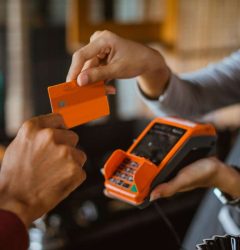
The transition from magnetic stripe cards to EMV chip technology has revolutionized payment security. Smart POS systems are built to support EMV compliance standards, which use unique transaction codes for every purchase, preventing the possibility of card cloning. Furthermore, the rise of NFC payment security in contactless transactions adds an extra layer of safety. These methods require the physical proximity of a device or card, significantly reducing the risk of unauthorized remote access and providing peace of mind for both the merchant and the consumer.
Utilizing Tokenization to Safeguard Identity
Tokenization is a critical feature of modern payment ecosystems that replaces sensitive data with non-sensitive substitutes. When a customer pays, their actual card details are never stored on the merchant’s server; instead, a unique digital token is generated for that specific transaction. This advanced data anonymization ensures that even if a system is compromised, the stolen information is worthless to criminals. Implementing tokenization is a strategic move that builds long-term trust and minimizes the liability of the business owner.
Ensuring Compliance with Global PCI-DSS Standards
Navigating the complex world of financial regulations is made easier with hardware that is inherently compliant. Modern POS tech is designed to meet PCI-DSS certification requirements, which are the global benchmarks for payment security. These systems undergo rigorous testing to ensure they handle data according to industry best practices. By using pre-certified hardware solutions, businesses can avoid the heavy fines associated with non-compliance and demonstrate a commitment to maintaining a secure shopping environment for their global clientele.
Mitigating Internal Risks with Employee Access Controls
Security isn’t just about fighting external hackers; it’s also about managing internal access. Smart POS systems allow administrators to set granular user permissions, ensuring that staff members only have access to the functions necessary for their roles. By utilizing unique employee identifiers and tracking every action within the software, business owners can identify discrepancies and prevent internal fraud. This internal transparency is vital for maintaining the integrity of financial records and protecting the business’s bottom line.
Cloud-Based Monitoring and Automatic Security Updates
The threat landscape is constantly changing, which is why static software is a vulnerability. Modern POS terminals utilize cloud-based security monitoring to detect suspicious patterns in real-time. Additionally, these devices benefit from automatic firmware updates that patch vulnerabilities as soon as they are discovered. This proactive approach ensures that your hardware is always equipped with the latest defenses against emerging malware, allowing you to focus on growth without worrying about technical maintenance.
Conclusion
Securing transactions is the most critical responsibility of any modern merchant. By embracing the latest POS technology, businesses move beyond simple transaction processing and enter a world of comprehensive data protection. From encryption and tokenization to strict PCI compliance, modern terminals provide the tools necessary to shield your customers and your reputation from the evolving tactics of cybercriminals. In a global market where trust is the ultimate currency, investing in secure payment infrastructure is the most effective way to ensure long-term stability and customer loyalty.
Frequently Asked Questions
What is E2EE in a POS terminal?
It stands for End-to-End Encryption, which protects data from the moment it is swiped until it reaches the bank.
How does tokenization differ from encryption?
Encryption hides data behind a code, while tokenization replaces the data entirely with a random digital substitute.
Are mobile wallets like Apple Pay secure?
Yes, they use biometrics and tokenization, making them one of the most secure ways to pay today.
What happens if my POS loses internet connection?
Most modern devices have a secure “store and forward” mode that encrypts data offline until the connection returns.
Do I need to be PCI compliant if I am a small business?
Yes, any business that accepts credit cards must follow PCI-DSS standards regardless of its size.
Can a Smart POS detect fraudulent cards?
Yes, EMV technology and real-time bank verification help identify and decline suspicious or cloned cards immediately.
Is the cloud safe for storing sales data?
Yes, reputable POS providers use high-level data centers with redundant security to protect your business records.
How often should I update my POS software?
Updates should be installed as soon as they are available to ensure you have the latest security patches.
Can I limit what my cashiers see on the POS?
Yes, you can create custom roles so employees only see the checkout screen and not sensitive financial reports.
What is a PCI-PTS certified device?
It is a certification specifically for the hardware’s PIN entry security to prevent physical tampering.